The secret is out; Pittsburgh is the only place in the U.S. where it’s cheaper to buy a new home than it is to rent one, according to a recent homebuying trends report from Realtor.com, reported by CBS News. If you’re thinking about investing in a new home construction in Pittsburgh, now may be the perfect time to buy. It’s also a good time to think about being “energy smart” when building your dream home.
New home builds in our Steel City are already outperforming typical resales on comfort and operating costs, especially in terms of energy efficiency. Whether you’re looking for an environmentally sustainable new home or one that offers energy cost savings, there are new home builders in Pittsburgh that can help you do both.
In this article, we’ll share insights from the U.S. Department of Energy, ENERGY STAR®, and consumer groups (NFRC, etc.) on what’s commonly standard in Greater Pittsburgh new construction versus smart upgrades that can pay you back, especially in our cold-winter, warm-summer climate.
Insulation for Energy Savings in Pittsburgh New Home Constructions
Saving energy and reducing your monthly utility costs depends on your ability to keep more heat in your Pittsburgh new home construction during the winter months, and more heat out in the summer. Insulation is a cost-effective way to do both.
Before construction begins, ask your builder about the “R-value” for areas you want to insulate. Your builder can guide you on proper installation techniques to get the maximum thermal performance (and value) from your home’s insulation. You can read more about different types of insulation and R-values on the U.S. Department of Energy’s (DOE) website.
Here’s a breakdown of what’s usually standard insulation in a new home, compared to an upgrade.
What’s Usually Standard
- Batt insulation: These are the typical “fluffy” rolls of insulation you see installed in walls and attics, which are usually reliable and affordable.
- Blown-in insulation: This is the loose-fill insulation used to top off your attic coverage and fill in the gaps.
Both types of insulation are proven ways to slow heat flow and lower energy costs when installed well. The DOE’s Energy Saver has an easy overview of these types.
Upgrades for More Energy Savings
- Spray foam: This can be applied in key areas such as rim joists or tricky corners to seal air leaks and add insulation in one step, which is useful in Pittsburgh’s cold winters.
- Extra attic insulation: Ask your Pittsburgh new home builder to add a few more inches of attic insulation. Your builder can likely do this for a relatively low cost, and it can increase your comfort level and energy efficiency.
Simple home buyer tip: Ask the builder where they insulate (attic, walls, basement, etc.) and how they seal air leaks. Sealing plus insulation is one of the most cost-effective ways to cut bills and drafts.
HVAC (Heating & Cooling): What You Usually Get and Easy Upgrades
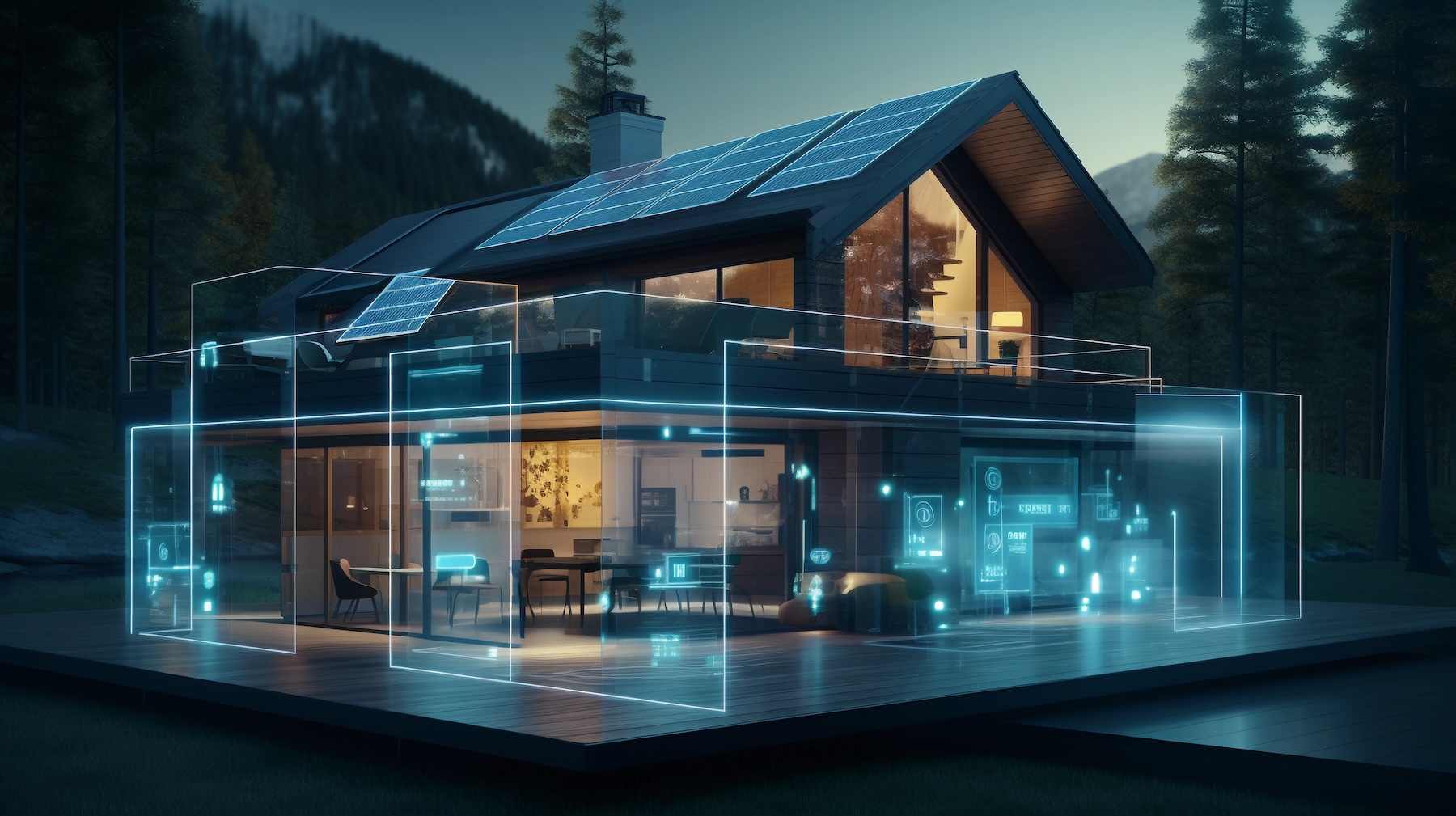
Today’s more modern, energy-efficient HVAC systems are now integrating IoT technology to take climate control and energy savings to new levels, according to the DOE. There are numerous heating and cooling technologies that use sensors to adjust and monitor real-time temperature and air quality. With features like zoning, different parts of your home can be heated or cooled separately, which helps reduce energy waste.
Here’s a breakdown of your typical HVAC systems available in a new home, compared to some “smart HVAC” upgrades, for more energy-efficient heating and cooling.
What’s Usually Standard
- A gas furnace + central AC or a heat pump sized for the home: Because heating and cooling typically consume the largest portion of your home’s energy, today’s heat pumps and gas furnaces are far more efficient than a decade ago.
The DOE’s website offers ideas for saving energy and utility costs, including how to get the best energy performance from your space heating, space cooling, and water heating systems.
Upgrades for More Energy Savings
- ENERGY STAR heat pump: Ask your Pittsburgh builder about ENERGY STAR label “cold-climate” models of heat pumps. These can offer quieter, efficient year-round heating and cooling, and are designed to keep working even on very cold days. Many also qualify for federal incentives.
- Smart thermostat & multi-speed equipment: Smart thermostats automatically adjust the heating and cooling to save energy. By optimizing when and how your home is heated or cooled, they can significantly save energy bills. Plus, they give you detailed energy reports to spot more ways to save.
Ask your builder if set-up and commissioning are included in your new home construction in Pittsburgh.
Simple home buyer tip: If you’re comparing furnace/AC vs. heat pump, ask your builder for the estimated annual energy cost report for the system they’re offering. Then compare apples to apples.
Windows: Comfort You Can Feel and See on Your Bill
According to the DOE, your home’s windows are responsible for 25% to 30% of your home’s heat gain or loss, which directly impacts your heating and cooling utility bills. Fortunately, you can work with your Pittsburgh new home builder to select windows for your new construction that are the most energy efficient for our area’s climate.
Below are some new window options for energy-saving opportunities.
What’s Usually Standard
- Double-pane/double-glassed, low-E windows: Many of these windows come standard in new home constructions and can help you meet energy code and basic efficiency targets — already a big step up from older windows.
Upgrades for More Energy Savings
- ENERGY STAR® certified windows: Ask your builder about windows that are matched to our Pittsburgh climate. ENERGY STAR notes homeowners can save up to about 13% on heating and cooling versus non-certified models, plus better year-round comfort.
- Enhanced glass: In sunny rooms or along busy streets, ask about enhanced glass packages (for glare/noise) or higher-performance options recommended by DOE’s window guide.
Simple home buyer tip: Snap a photo of the NFRC label on any window sample. It shows two numbers (U-factor and SHGC) that you can use to compare options.
Appliances: Where the Savings Add Up
Next to your home’s HVAC systems, your range/oven, washing machine, dryer, dishwasher, and refrigerator typically account for the largest portion of your home’s energy usage and costs on your utility bill. To get more long-term value from your new appliances in your new Pittsburgh home construction, ask your builder about ENERGY STAR-certified appliances. The ENERGY STAR label means that each appliance meets energy-efficiency criteria established by the U.S. Environmental Protection Agency (EPA).
For example, ENERGY STAR-qualified dishwashers use about 12% less energy and can save about 3,870 gallons of water over their average 10-year lifetime.
Here’s a quick breakdown of new appliances you can expect in a new home construction.
What’s Usually Standard
- A kitchen suite and laundry pair: The kitchen suite usually includes a refrigerator, a range/oven, and a dishwasher. And of course there’s a washer and dryer (your laundry pair). Some builders include ENERGY STAR-qualified appliances, and some don’t. Always check the model numbers and check with your new home builder.
Upgrades for More Energy Savings
- ENERGY STAR refrigerator: An ENERGY STAR-certified refrigerator is a great way to save about 9% less energy than a standard model. It may come standard with your new home or require an upgrade. But the upgrade could pay dividends in energy savings.
- ENERGY STAR clothes washer: These typically use about 20% less energy and around 30% less water than a conventional washer, which can add up to hundreds saved over the product life.
- ENERGY STAR dishwasher: There are multiple dishwasher options that can trim energy and water use over time. (The DOE’s consumer guides note the potential for steady, long-term savings.)
Simple home buyer tip: If a builder offers a “standard” appliance credit, ask about pricing out ENERGY STAR models. You may be able to keep your preferred look and pay yourself back on the utility side.
Quick Energy-Saving Options Checklist
- Insulation: Which types are included (batt, blown-in)? Any spray foam in draft-prone spots? Can we add attic inches?
- HVAC: Furnace/AC or heat pump? ENERGY STAR? Smart thermostat included? What’s the estimated annual energy cost?
- Windows: Are they ENERGY STAR certified? Can I see the NFRC label? Any glass upgrades for sunny/noisy rooms?
- Appliances: Are fridge/washer/dishwasher ENERGY STAR? What are the model numbers so I can verify savings?
Ready to Ask a Pittsburgh Builder About Energy-Smart Options?
Thinking about building a new home in the Pittsburgh area? Home builders in the region have embraced sustainable materials and smart technology to make homes more energy-efficient for long-term value. Explore our Resources on our Pittsburgh New Home Connection website, take a model home tour, or directly engage with our seasoned professionals with any questions you may have.
Check back with our platform for the latest information for new home buyers looking to find a dream home in our Steel City.